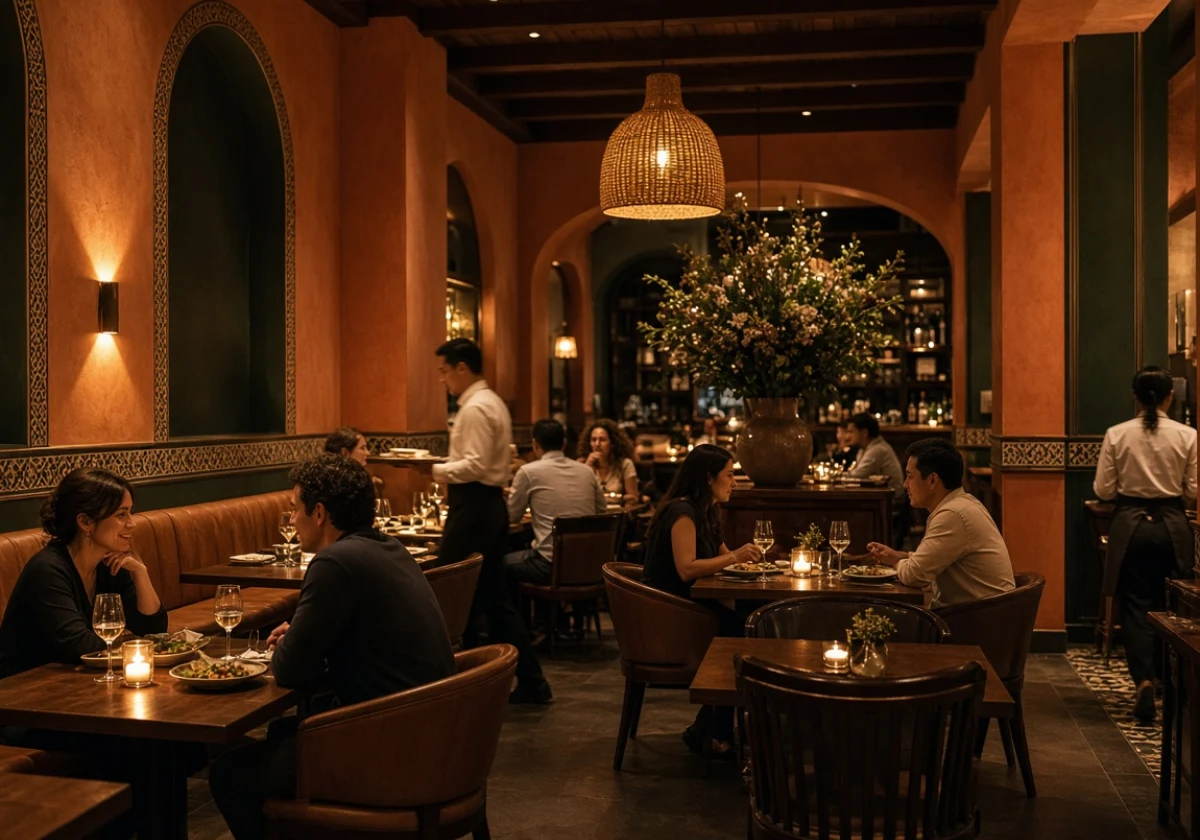
A great dish can get someone through your restaurant’s door. But what makes them remember it, tell a friend about it, or follow your restaurant on social media?
Maybe it’s the chef who spent years perfecting the recipe, a family tradition behind the menu, or the staff who make regulars feel like old friends. Sharing these stories online gives potential diners a reason to get interested in your restaurant before they’ve even visited.
Let’s look at six ways to strengthen your restaurant branding by telling your brand story through your website and social media.
1. Show Your Restaurant Identity Through Signature Dishes
A restaurant’s identity comes through in the choices that make it different from others. Its signature dishes are one place to show that difference, especially when there’s a story behind the food.
Imagine two restaurants serve excellent butter chicken. One describes its dish as tender chicken in a rich, creamy tomato gravy. The other tells diners how the dish came to be, sharing the story of the hungry guests whose visit inspired its creation.
If it were you, which one would be more memorable?
The second, because it gives diners something more specific to remember and talk about. Daryaganj, for example, shares its account of butter chicken’s origins on its website, connecting a familiar dish to a story set in Delhi in 1947.
Your restaurant might have a story like that, too. Perhaps your chef created a signature dish after years of experimenting. Maybe he adapted a recipe passed down through the family or drew inspiration from a memorable meal abroad.
Either way, find out what makes your dish distinctive, then bring that story online. Share it alongside a photo of the dish, introduce the chef who created it, or explain its origins in a short video. Include the details that make the story yours, rather than relying on generic descriptions like “made with love” or “a family favourite.”
2. Introduce the People Behind the Food
We once went to a local restaurant for a team dinner. The food was decent, but what stayed with us was an unexpected visit from the chef and sous chef. They stopped by our table, talked with us about the food, and made the group feel genuinely welcome. The meal itself wasn’t particularly memorable, but meeting the people behind it gave us a reason to remember the restaurant.
Restaurant brands can create a similar connection online. A menu shows diners what they can order, but stories about the people preparing and serving that food help them get to know the restaurant before they visit.
Your website and social media give you a place to share these stories. Introduce your chef on your About page and share what inspired them to pursue cooking.
You can also post a short video on social media of your kitchen team talking about a dish they love making. These stories give potential guests a sense of the people they’ll meet and the experience they can expect.
3. Make Your Customers Part of the Story

We all want to feel appreciated. In fact, 37% of respondents across 29 countries cited feeling loved and appreciated among their top contributors to well-being, according to Statista.
So, how does this relate to your restaurant’s online food storytelling? You can make customers feel appreciated by making them part of your restaurant’s story. Celebrating a customer’s birthday, recognising a regular who has visited for years, or sharing a couple’s anniversary dinner shows guests that you value them.
With their permission, you can share these moments on social media through photos, short videos, or a post about their story. This gives customers a chance to feel recognised while showing potential diners the experiences they could have at your restaurant. You could even invite other guests to share favourite memories or tag your restaurant in their posts, making them part of your story, too.
4. Take Diners Behind the Scenes
A diner sees the finished dish arrive at their table, but there’s a whole story behind it. Maybe your chef spends hours perfecting a sauce, your team visits a local farm for fresh produce, or your kitchen starts preparing before the first customer walks through the door. These are the stories that help diners get to know your restaurant beyond the menu.
You don’t need a professional film crew to share them. Take a short video of your chef preparing a signature dish, show how your team gets ready for the lunch rush, or explain why you source a particular ingredient locally. Give each post a little context, too. Instead of simply showing your chef stirring a pot, explain what goes into the dish and why you’ve chosen to make it that way.
Share these moments on social media to give followers a glimpse into your daily work. You can also feature longer stories on your website, such as how the restaurant started or why a family recipe still features on the menu. That way, diners can discover the people, choices, and traditions behind the food before they book a table.
5. Tell Stories That Bring Your Restaurant’s Atmosphere to Life
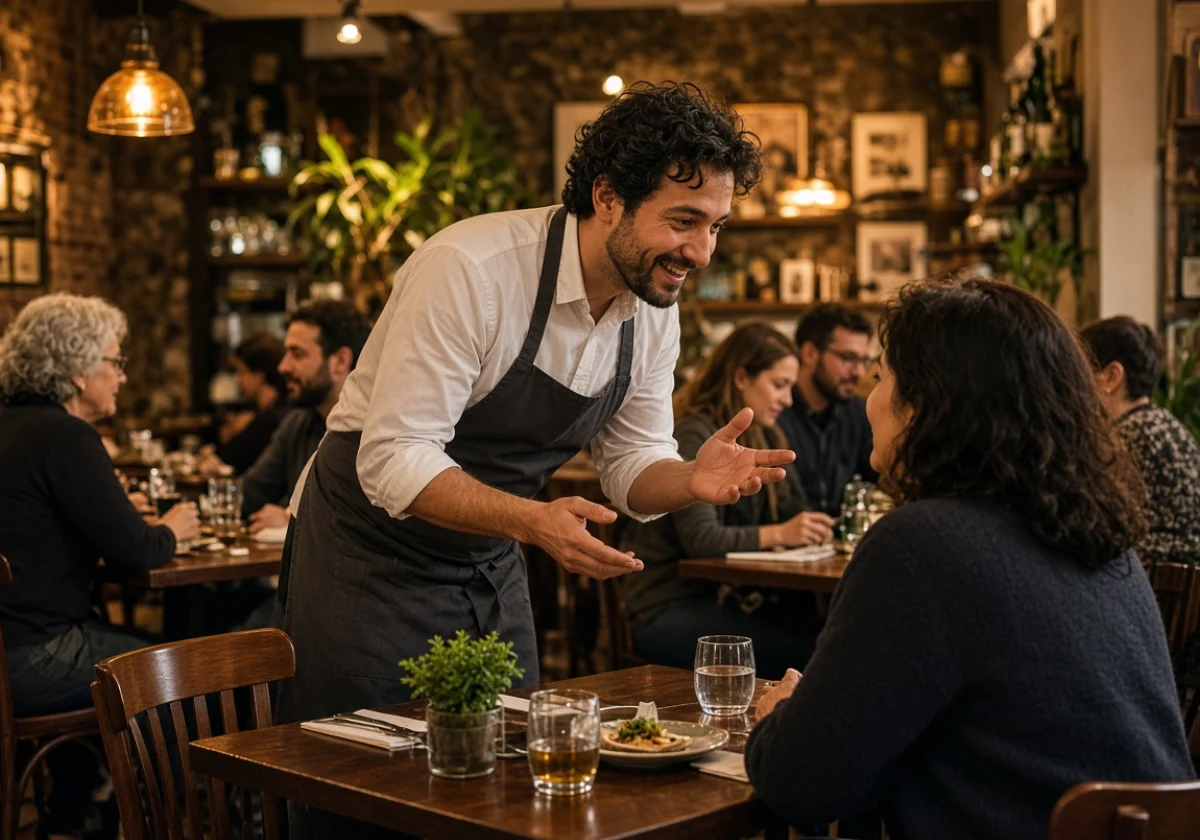
A restaurant’s atmosphere is more than its decor. It’s the buzz of a lively dining room, the banter between staff and regulars, and the feeling guests get when they walk through the door.
Photos and videos can help potential diners picture this experience before they visit. Rather than relying on polished shots of empty tables, share moments that capture what your restaurant feels like during a typical service.
For example, if your restaurant has a lively atmosphere, post a short video of the dining room filling up on a Friday evening or your bartender preparing signature cocktails. You can even capture staff joking with regulars to show the friendly side of your service.
By contrast, if your restaurant offers a quieter, more intimate setting, share the details that create that mood, such as softly lit tables or a server explaining a dish to a couple.
6. Share the Values and Traditions That Make Your Restaurant Different
Every restaurant has reasons for doing things a certain way. A family-owned restaurant might still prepare a dish using a recipe passed down through generations. Another might buy seasonal produce from nearby farms because supporting local growers has always been part of its approach to food.
Your website’s About page gives you space to explain these stories, while social media lets you share shorter versions. You could post a video of your chef explaining a family recipe or introduce a local supplier and explain why you work with them.
Start Telling Your Restaurant’s Story Today
You now have six ways to tell your restaurant’s story, from the people behind your food to the traditions that set your business apart. The next step is to put one of these ideas into practice.
Start with the story you’re best placed to tell. You could introduce your chef, share the history behind a signature dish, or capture the atmosphere of a typical service. Publish it on the channel your customers use most, then build on it with another story next week.
If you’d like help bringing your restaurant’s story to life, Spoonfed Atlanta builds brand identities, menus, and websites for independent restaurants. Get in touch to discuss your restaurant’s current branding and where you could take it next.