Modern restaurants need to solve eight digital challenges, including digital ordering issues, POS system problems, delivery fees, and food waste. If you don’t check, these issues can increase operating costs and reduce profits while your team focuses on daily service.
Restaurant owners often struggle to find time to review their digital systems and identify unnecessary costs. At Spoon Fed Atlanta, we’ve faced the same difficulty managing restaurant technology alongside daily operations.
This guide walks through all eight restaurant technology challenges, with the actual costs and the fixes spelled out in plain language. Let’s get into it.
1. Restaurant Technology Trends: Choosing the Right Fit for Your Venue
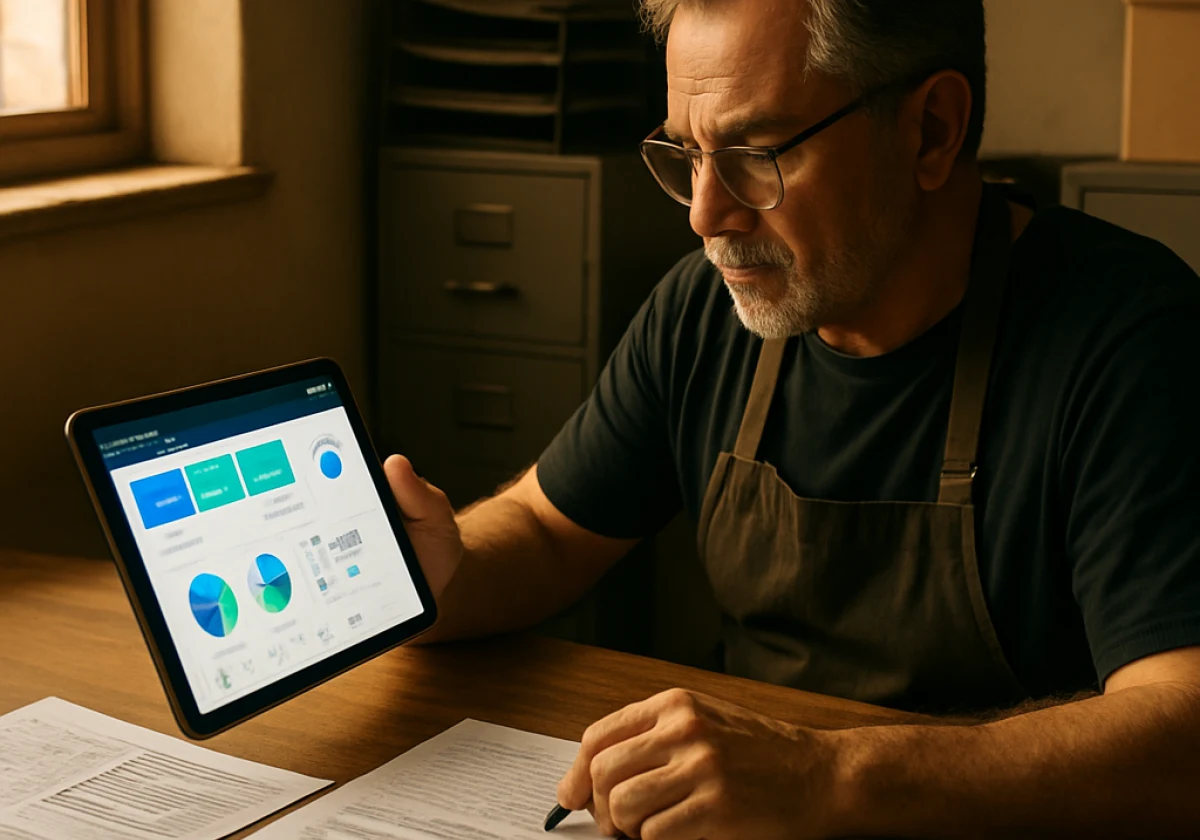
Restaurant owners sometimes invest in new technology without checking if it suits their venue, only to regret the expense later. A tablet demo at a trade show might look impressive, but it won’t show how well the system handles your floor plan, order volume, or staff needs.
Technology is changing quickly, and new restaurant technologies land every season. But popular features won’t always solve your restaurant’s daily problems. So, before investing in new technology, write down your three main operational challenges and look for tools that address them.
From there, check that every tool connects to your restaurant’s Point of Sale (POS) system, which records sales and processes payments. One management system beats five restaurant apps that ignore each other.
When your software doesn’t connect, staff may have to enter the same information twice. This wastes time and makes sales reports less reliable. In that case, choose technology that solves a specific problem and works with your existing systems.
2. Why Do Online Ordering Systems Confuse So Many Operators?
Digital ordering confuses operators because dozens of ordering technology platforms overlap in features, fees, and hardware. Generally, online ordering systems all promise the same wins on the same sales pages.
Weigh these three points carefully before you sign anything or hand over a deposit.
- Commission Versus Flat Fee: Monthly flat fees cost less once you pass roughly 200 online orders, while percentage deals suit quieter venues better.
- POS Integration: Orders that go directly into your POS system save staff from manually entering each ticket. Better POS systems cut mistakes and waiting times at the same time.
- Menu Control: Check whether you can edit dishes and switch off sold-out items yourself, without emailing a support desk and waiting two days. This helps keep your online menu accurate as availability changes throughout the day.
So, choose an online ordering system that gives you access to customer data. You can then use those contact details for future promotions and marketing campaigns, with customers’ permission.
3. Slow Service: Hospitality Challenges That Send Guests Next Door
Faster service keeps tables turning and stops hungry diners walking out towards the pub next door. From there, every extra minute between ordering and the first plate costs you a seating.
During a busy lunch rush, every minute counts. That’s why handheld ordering devices can help staff save time. Waiters can then send orders directly from the table without returning to a POS terminal.
Self-service kiosks also help handle rush hour for quick-service venues. For example, contactless payments at the table shave a few more minutes off every bill and lift customer service scores (a QR code on each table works just as well in a busy cafe).
Beyond that, shorter table times can help you serve more customers during busy hours and improve revenue. To see where you can save time, start by tracking your average table time for a week.
4. Why Kitchen Display Systems (KDS) Beat a Rail of Paper Dockets
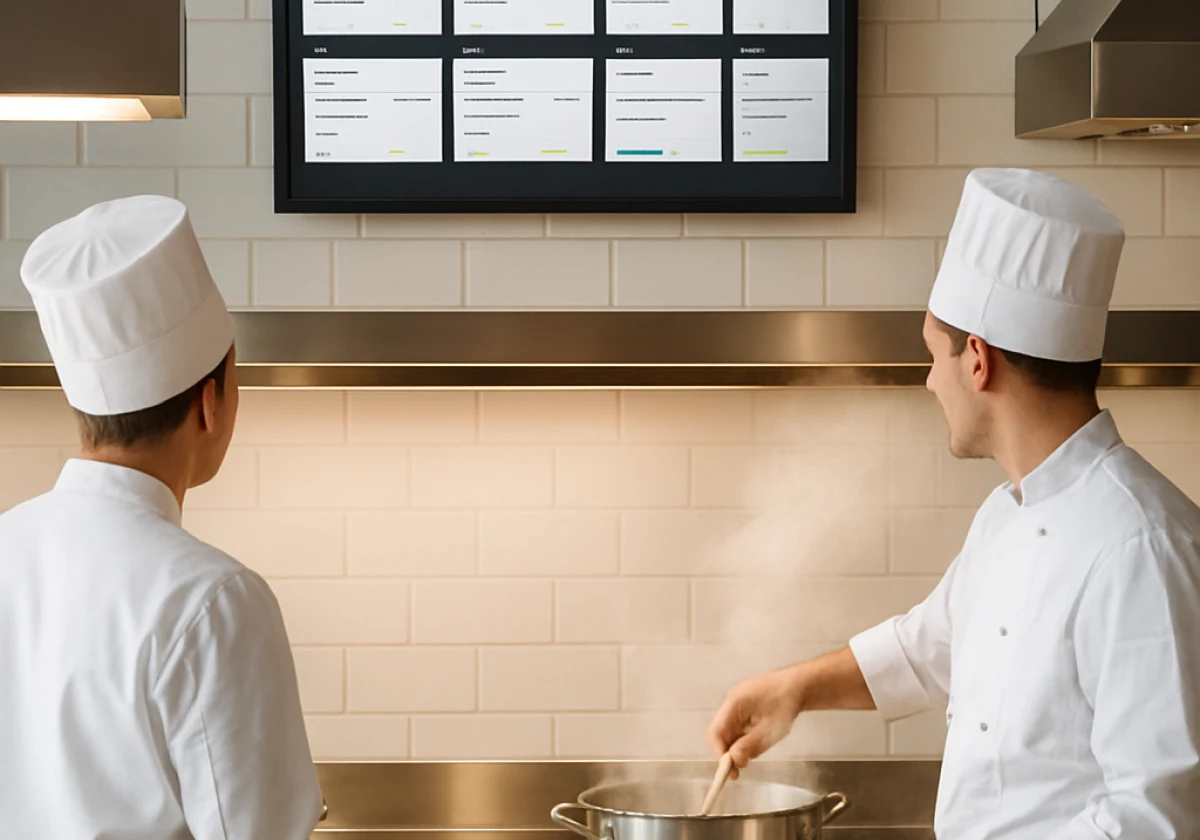
Kitchen Display Systems help restaurants keep orders organised and reduce the risk of lost tickets. Paper dockets, on the other hand, can smudge, burn, or go missing, especially in busy kitchens with a full rail above the pass. And plenty of busy kitchens still work that way, with a rail full of them hanging above the pass.
Three jobs that kitchen display systems handle better than paper dockets are:
- Order Timing: Screens stamp every ticket, so you can see which dishes drag and exactly where the bottleneck sits each night.
- Automatic Routing: Grill, fryer, and dessert tickets split across stations by themselves, without anyone standing at the pass sorting slips by hand.
- Fewer Lost Tickets: A Kitchen Display System (KDS) shows incoming orders on a screen and keeps them visible until kitchen staff marks them as complete. This helps the team track every order during busy service hours.
Beyond order tracking, a KDS records how long each dish takes to prepare. Kitchen managers can use this data to identify delays and adjust workflows during busy service hours.
5. How Should You Handle Food Delivery Services and Their Fees?
You should handle food delivery services by comparing commission rates, adjusting delivery menu prices, and pushing direct orders wherever you can. For context, each delivery takes a very different cut of the same dish (the maths changes fast once your volume climbs).
Now, compare the three common delivery routes side by side:
| Channel | Typical commission | Best for |
|---|---|---|
| Uber Eats or DoorDash | 15% to 30% per order | Reaching brand new customers |
| Direct website ordering | 0% plus card fees | Repeat regulars and locals |
| Your own delivery driver | Wages plus fuel | A tight suburb radius |
Quick Tip: Lift delivery menu prices by about 15% so the commission doesn’t eat your margin. Then spend your marketing effort driving those same people back to your own site.
6. Loyalty Programs Built From the Data Your Food Business Already Holds
Loyalty programs bring regular customers back more often without any extra marketing spend at all. Customer loyalty runs on sales data you already hold, which sits in your POS and delivery reports.
After collecting customer data, pick one reward people understand in a single sentence, like a free coffee on the tenth visit. After running loyalty programs for cafes and small groups for years, we found plain rules beat tiered points systems every single time.
Then use the collected data to spot your less-earned days and text only the customers who haven’t walked in for six weeks. That short list usually beats a broad social media push, and the customer experience feels personal rather than mass-mailed.
7. Can Scheduling Software and Employee Management Stop Rosters Eating Your Week?
Managers still building rosters in spreadsheets lose hours every week, while those hours belong on the floor with your guests. In this case, restaurant employee scheduling tools read your trading history and suggest cover that matches real demand (most managers win back four hours every single week).
Many restaurant management systems also combine staff scheduling with payroll and reporting. This means managers can organise shifts, track staff hours, and manage wages in one place.
Look closely at these features when you compare restaurant management systems and their monthly pricing.
- Shift Swaps In-App: Staff trade shifts in a mobile app and the manager simply approves, so nobody rewrites a roster on Sunday night.
- Labour Cost Forecasting: Good software shows your wage percentage before you publish, which stops a quiet Tuesday running three staff too many.
- Award Compliance: Built-in rules flag the penalty rates and breaks set out by the Fair Work Ombudsman, which keeps payroll clean and your bookkeeper calm.
Quick Tip: Before using the scheduling tool, enter your restaurant’s sales and staffing data for the past month. This helps the software suggest staff numbers based on your usual busy and slow periods.
8. Back of House: Inventory Management and Food Waste
Poor inventory management can leave restaurants with excess stock, spoiled ingredients, and unnecessary costs. That’s why you should always track what you buy, use, and throw away to spot where food and money go to waste.
This table sets out what each back-of-house tool controls and what it gives back.
| Tool | What it tracks | Payback |
|---|---|---|
| Stock counting software | Stock on hand against recipes | Cuts purchasing costs by 2% to 5% |
| Supplier invoice scanning | Price rises per ingredient | Catches creeping food costs weekly |
| Waste logging tablet | Bin contents by dish | Fixes over-prepping within days |
Count your top ten ingredients weekly, since those few lines carry most of your spend. Restaurant analytics only help once those weekly counts are honest, and everything else can wait for a monthly stocktake.
Your Restaurant Digital Strategy Starts With One Challenge
Eight hospitality challenges sound like a lot, but no food business fixes them all in the same month. Pick the one costing you the most money right now and solve that single problem first.
Give yourself a week to test one tool properly, then measure the result before you add anything else. The restaurants that improve fastest make small, measured changes rather than a full restaurant technology overhaul nobody on the team wanted.
Spoon Fed Atlanta builds a practical restaurant digital strategy for independent venues and growing hospitality groups. Contact us to map your next step and get more from the systems you already pay for.