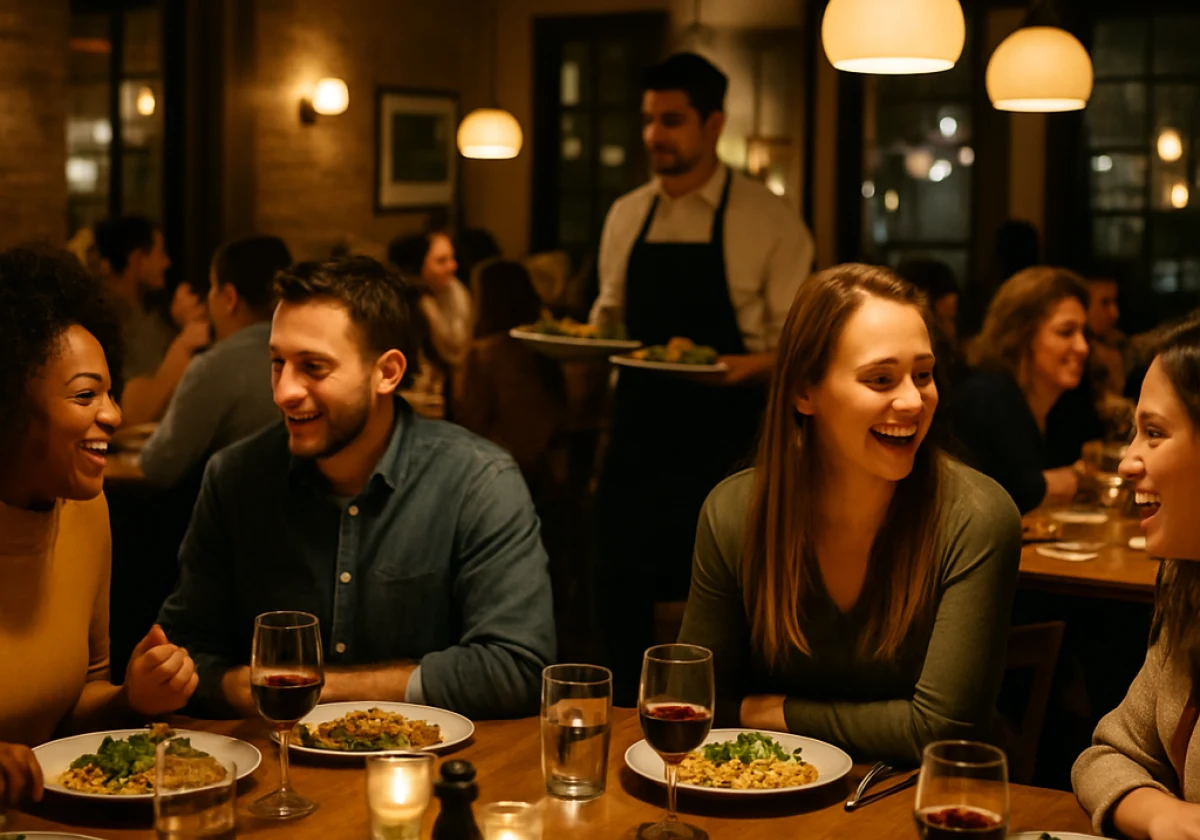
Restaurants can encourage repeat visits with five digital customer experiences: loyalty programs, online ordering, personalised emails, feedback tools, and social media. Each one silently does the follow-up work your floor staff never find time for during service.
Even restaurants like Spoonfed Atlanta, where customers come for the food and dining experience, need ways to stay connected between visits. After all, a timely reminder or relevant offer can give previous guests another reason to return.
This guide walks through all five customer retention tactics and where each one fits in a normal week of service. Let’s start with loyalty programs and how they encourage guests to return.
1. Restaurant Loyalty Programs: Giving Guests a Reason to Return and Build Brand Loyalty
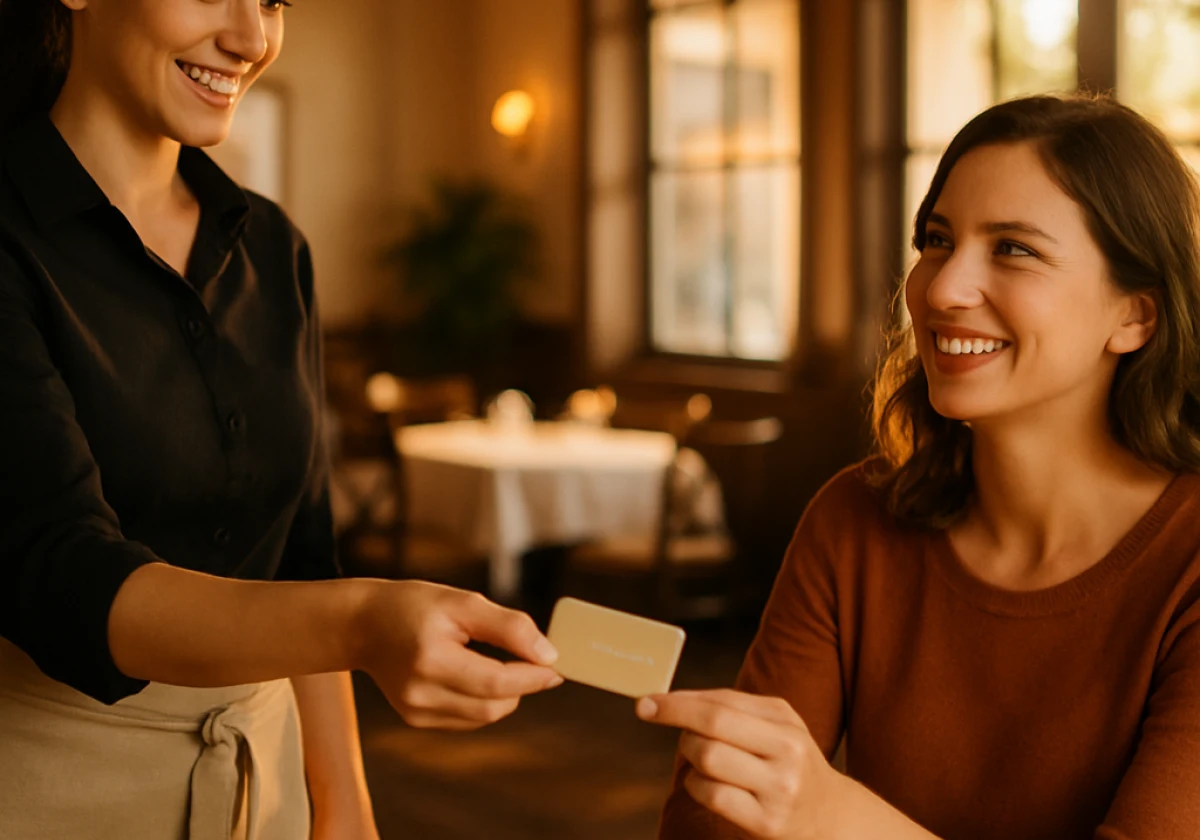
Most diners who love their first meal still never come back to your restaurant, and that gap costs you money. In this case, a digital loyalty program gives customers a clear reason to return by tracking their visits or purchases and rewarding them for coming back.
Digital loyalty programs also help restaurants identify customers who haven’t visited recently. You can then send those guests a personalised reward or reminder to encourage another visit.
Two decisions below influence whether your program earns its keep or sits unused in the back office.
Choosing a Customer Loyalty Program That Suits Your Venue
Start by looking at how often your customers really visit, because that number decides everything else. For example, a café pulling four visits a week suits a stamp-style card, while a monthly bistro needs tiered rewards.
From there, check what your ordering system and point of sale can already do (most modern point of sale systems have loyalty built in). Using these existing features can save staff from entering customer details twice. But if you choose a separate loyalty app, ensure it connects with your current system so staff can manage everything easily.
Match the reward to your profit margins, too. A free coffee costs relatively little, while a free main course could leave you with little profit from that customer’s visit.
Why Points and Rewards Rank Among the Best Retention Strategies
Points encourage repeat visits by giving customers a reward to work towards. For example, someone with seven stamps on a ten-stamp loyalty card may return to earn the remaining three. This makes loyalty programs a useful part of a restaurant’s customer retention strategy.
A steady retention strategy also builds a loyal customer base you can count on. To make this process easier, rewards hand you data you’d otherwise never see. You can use this data to see who orders on silent nights and who disappears after a price rise, which helps you to narrow down customer types.
This way, a consistent loyalty program can help improve customer retention and increase customer lifetime value. Research by Bain & Company found that a 5% increase in customer retention could increase profits by 25% to 95%, depending on the business.
2. How Do an Online Ordering System and Mobile Apps Bring Diners Back More Often?
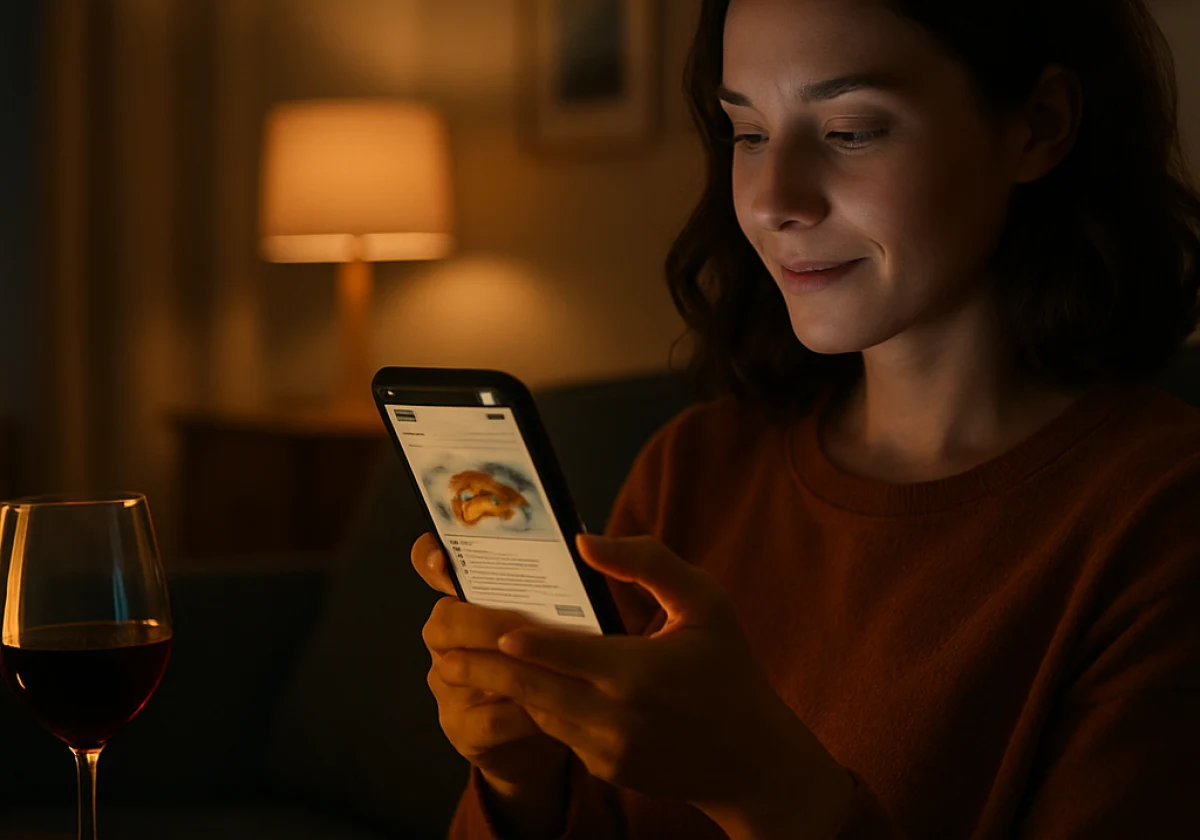
Online ordering brings diners back more often because saved orders and payment details make reordering quick. As a result, customers can order their favourite meals again without browsing the entire menu or entering their details each time.
Three parts of the ordering flow carry most of the weight, so check each one against your current setup.
- Saved Order History: With history, returning customers can quickly reorder their favourite meals without browsing the menu again. This makes repeat ordering easier and encourages them to use your restaurant’s app.
- Mobile App Prompts: Sending push notifications around 5 PM can remind customers about your restaurant as they start thinking about dinner.
- Direct Ordering Over Aggregators: As third-party apps keep the customer data, taking orders on your own site hands you the contact details you need later.
Pick one of these features to improve first, as a poorly functioning ordering page can frustrate customers and lead to abandoned orders. Most kitchens we work with start with saved order history, since it needs no new hardware and no extra training.
3. Personalised Email Offers: Digital Marketing That Feels Like a Friendly Nudge
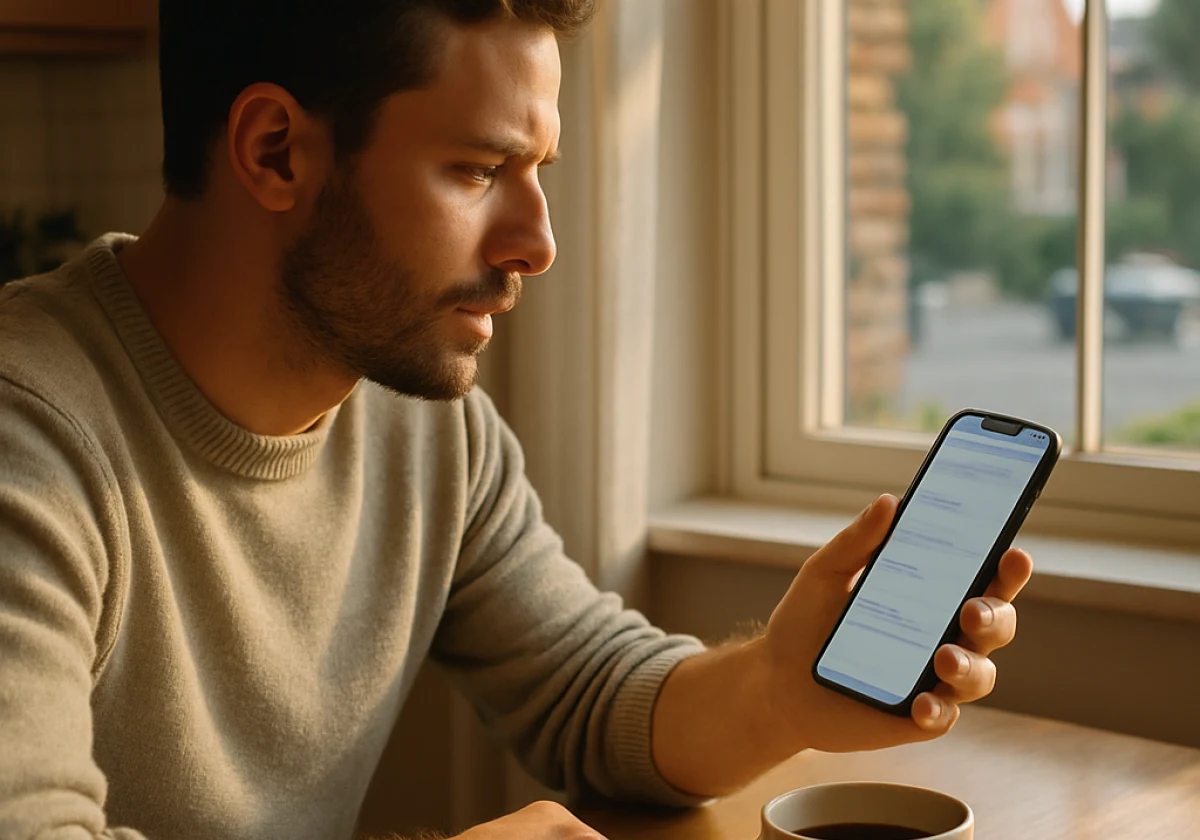
Email is one of the most affordable digital marketing channels for restaurants. Personalised offers based on customers’ order history further encourage repeat bookings without adding extra work during service hours.
Once you’ve set up the rules, restaurant marketing automation tracks customers’ previous orders and sends relevant offers automatically. The system handles these messages in the background, so your staff can focus on serving guests.
The two questions below can help you write restaurant marketing emails that customers are more likely to open and read.
Building Offers Around Customer Relationship Management and Order History
Your point of sale already knows who orders the Sunday roast and who only shows up for Friday drinks. Use that split. It means the roast crowd gets a seasonal menu preview while the Friday group gets a reason to arrive an hour earlier.
However, we’d suggest avoiding the same 20% discount for every customer. Regular discounts can encourage loyal guests to wait for the next offer before booking. Instead, use their order history to send relevant incentives, like early access to seasonal menus or invitations to special dining events.
When to Send Your Email Marketing for Real Customer Engagement
Send restaurant marketing emails when customers are likely to plan their next meal or dining occasion. For example, a Wednesday afternoon email can reach guests as they start making weekend plans.
For birthday offers, consider sending the message three days in advance so customers have time to arrange a visit.
Quick Tip: Start with two emails a month and review open rates, clicks, and bookings to see if your customers prefer a different schedule.
4. Digital Customer Feedback Tools Lift Customer Experience and Restaurant Customer Retention
Unhappy guests rarely complain in person. They just stop booking a table, and you never learn the reason. To prevent that, you should put a QR code on the receipt that opens a three-question form. You can then identify complaints about food, service, or waiting times and address them before those customers decide not to return.
Customer feedback also helps you spot recurring problems. If several guests mention slow service or incorrect orders, you can investigate the cause and make improvements that benefit future diners.
More importantly, responding quickly to negative reviews shows customers that you take their concerns seriously. In our experience, venues that reply to every one-star review within 24 hours win back roughly a third of those customers.
So a thoughtful response encourages dissatisfied guests to give your restaurant another chance. It also shows potential customers that you care about their dining experience.
Beyond that, feedback tools give you numbers to track. You can watch your restaurant’s customer retention rate move and increase repeat bookings on purpose. Many local venues treat 30% as a healthy retention rate. You can also use that figure as a floor rather than a finish line.
5. Social Media and Guest Loyalty: Easy Ways to Build Customer Relationships and Stay Front of Mind
With feedback flowing in from the customers, social media gives you a public place to show guests that you listen to their problems. You can start with your existing accounts and focus on consistent engagement without spending money on paid advertising.
Three common social media platforms each do a different job, and the table below matches them to a local restaurant.
| Platform | Best use | How often |
|---|---|---|
| Dish photos and story polls that keep repeat customers interested | 3 to 4 posts a week | |
| Event listings, trading hours and local group chatter | 2 posts a week | |
| Direct messages to regulars about specials and bookings | 1 broadcast a fortnight |
Pick the one platform your customers already use rather than spreading yourself thin across all three (one good account beats three accounts you keep neglecting). Just thirty minutes a week keeps your restaurant front of mind and the customer relationship warm between visits.
Start With One of These Restaurant Customer Retention Strategies
A strong restaurant customer retention strategy comes from steady systems instead of one large push before a silent winter month. Venues that keep customers coming back make returning easier than picking somewhere new on the night.
Start with one change and give it four weeks to show results before introducing another. Focusing on one improvement at a time makes it easier to manage and measure its impact. You should also track customer visits, repeat bookings, or orders from day one to see how well your chosen approach performs.
Ready to put these ideas on the floor? Talk to Spoonfed Atlanta about a digital experience that keeps your customers ordering, reviewing and returning all year.