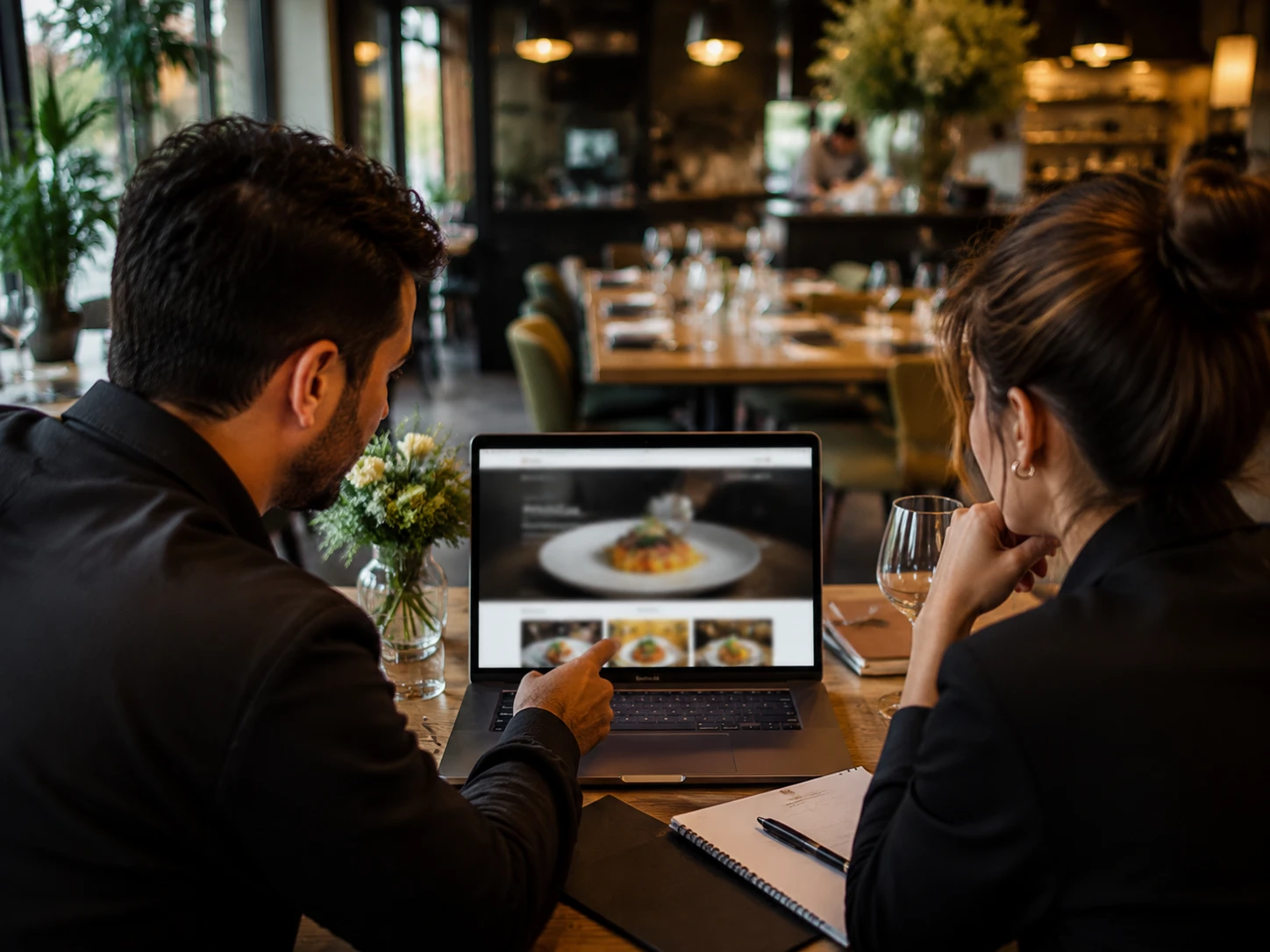
A restaurant website carries the full weight of that experience online. It sets expectations, reflects the atmosphere, and guides visitors toward making a booking.
This article covers what separates a strong restaurant website from one that loses diners at the homepage. It shows why generic website design falls short, and restaurant website templates get it wrong. It also highlights how load speed and local SEO connect to your revenue.
By the end, you’ll have a clear picture of what your restaurant website needs to work in your favour.
What Makes a Food Website Different From the Rest?
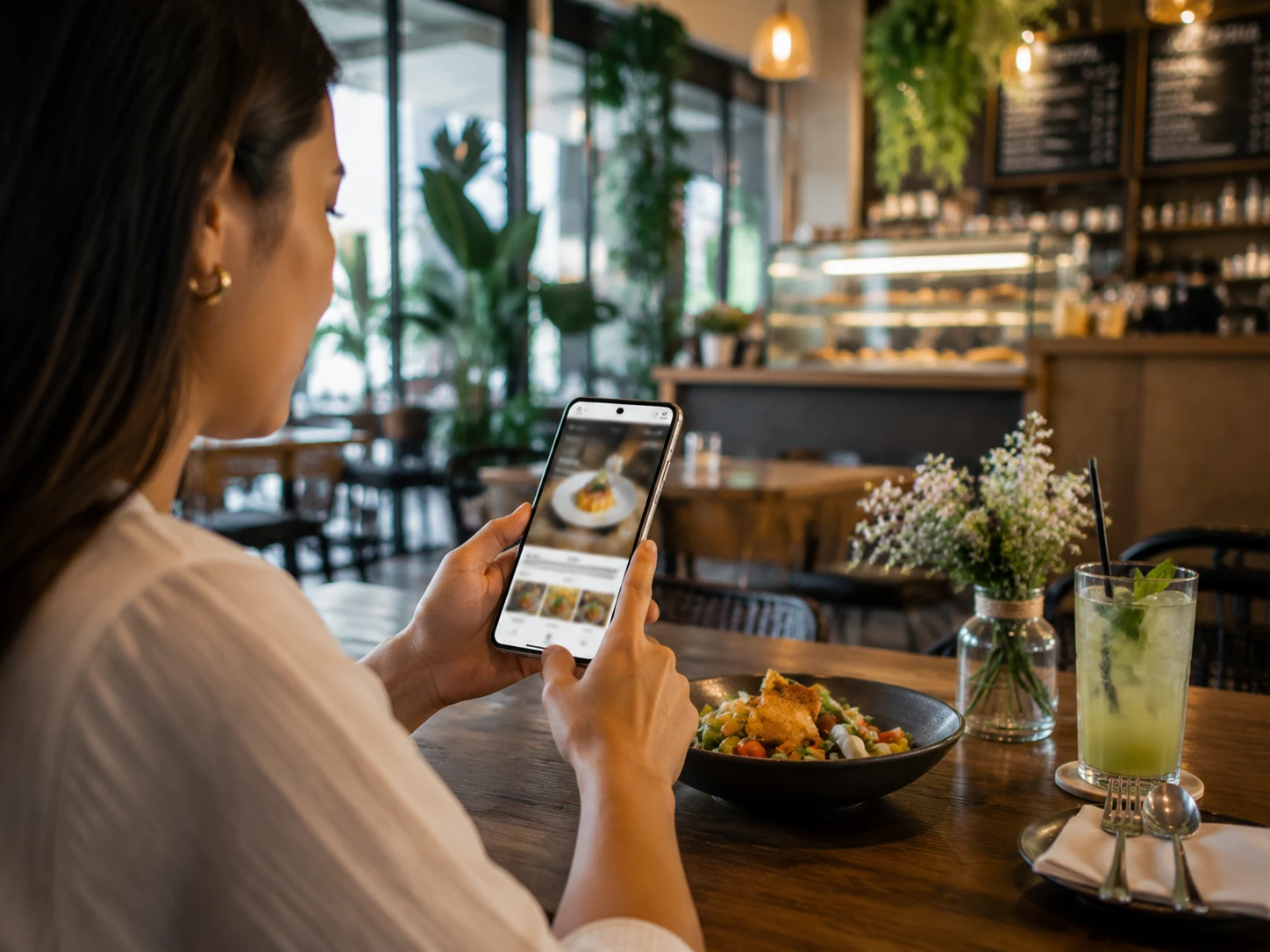
As mentioned earlier, a food website must earn trust and display the menu, often on mobile for ready-to-decide visitors. That level of expectation places pressure on the homepage to perform. Because of this, a cafe, restaurant, or food business needs its website to convince the customer before they even walk in.
In turn, the website needs to highlight ambiance, taste, and trust in a way that feels instant and believable. For instance, a generic business website can run on text-heavy pages, but a restaurant site needs good visual impact to keep a client on the page. That means your design has to reflect the dining experience you deliver.
Reservations and menus belong front and centre. On a small screen, a cluttered or slow-loading page will cost you. The majority of consumers search while they’re hungry, and a slow page will send them to another restaurant.
If you want to see how these priorities alter across food businesses, our bakery website design shows how the approach changes by business type.
Does Your Restaurant Website Design Help Visitors Become Guests?
Yes, but only when visual hierarchy and page load speed work together to give hungry guests what they need before they click away. And for a restaurant website, those two things are harder to get right.
Two design elements likely separate the food websites that fill tables:
- Visual Hierarchy: Core Design Element on Food Website
Visual hierarchy is about deciding what your visitors see first, and on a restaurant website, that sequence determines if they book or leave.
Take a look at where most food website designs get the sequence wrong:
- Lead With Your Best Dish Photos: Your strongest food images, location details, and booking button need to sit where the eye lands first. Awards and brand history belong further down the page.
- A Cluttered Layout Leaves Diners Directionless: Too many competing elements on a homepage leave clients with no clear next step.
- Design Elements Need a Single Direction: On a food website, colour, font, and image placement need to guide visitors toward a single action: a reservation or an order. When these elements pull in different directions, the page loses its focus.
When you get the sequence right, guests will move through your page to book a table (easy to follow). A clear path keeps decisions easy and quick.
2. Load Speed Affects Google Rank
Fast loading speeds are an essential feature on a restaurant website. Google’s research shows half of mobile users leave a page that takes over 3 seconds to load. Restaurant visitors aren’t browsing casually. They want a menu or a booking option right now.
The major culprit on most food websites is uncompressed photography (yes, those beautiful dish images), and they need to be optimised for the web. We’ve audited enough restaurant websites to know this single issue drives most slow load times.
According to Google’s Core Web Vitals explained, page speed directly affects how Google ranks your site. That said, fewer visitors will find your restaurant if your pages don’t meet the performance benchmark.
Are Restaurant Website Templates Holding You Back?
For most food businesses, generic templates fall short because they’re built for broad use.
Check the table where generic templates fall short compared to a purpose-built restaurant website design:
|
Feature |
Generic Template |
Restaurant-Specific Design |
|---|---|---|
|
Menu display |
Basic text list |
Visual, categorised, easy to update |
|
Booking integration |
Requires third-party add-on |
Built-in reservation system |
|
Mobile optimisation |
Inconsistent across device |
Designed for on-the-go diners |
|
Image layout |
Standard grid |
Food-focused, appetite-driven layout |
|
Seasonal updates |
Manual and time-consuming |
Flexible, quick to change |
Restaurants, cafes, and food businesses that outgrow a generic template typically see changes in reservations and repeat visits. A designer who specialises in food websites will set your site up to handle promotions, seasonal events, and menu alterations without breaking.
How Do Seasonal Menus Change Your Website Needs?
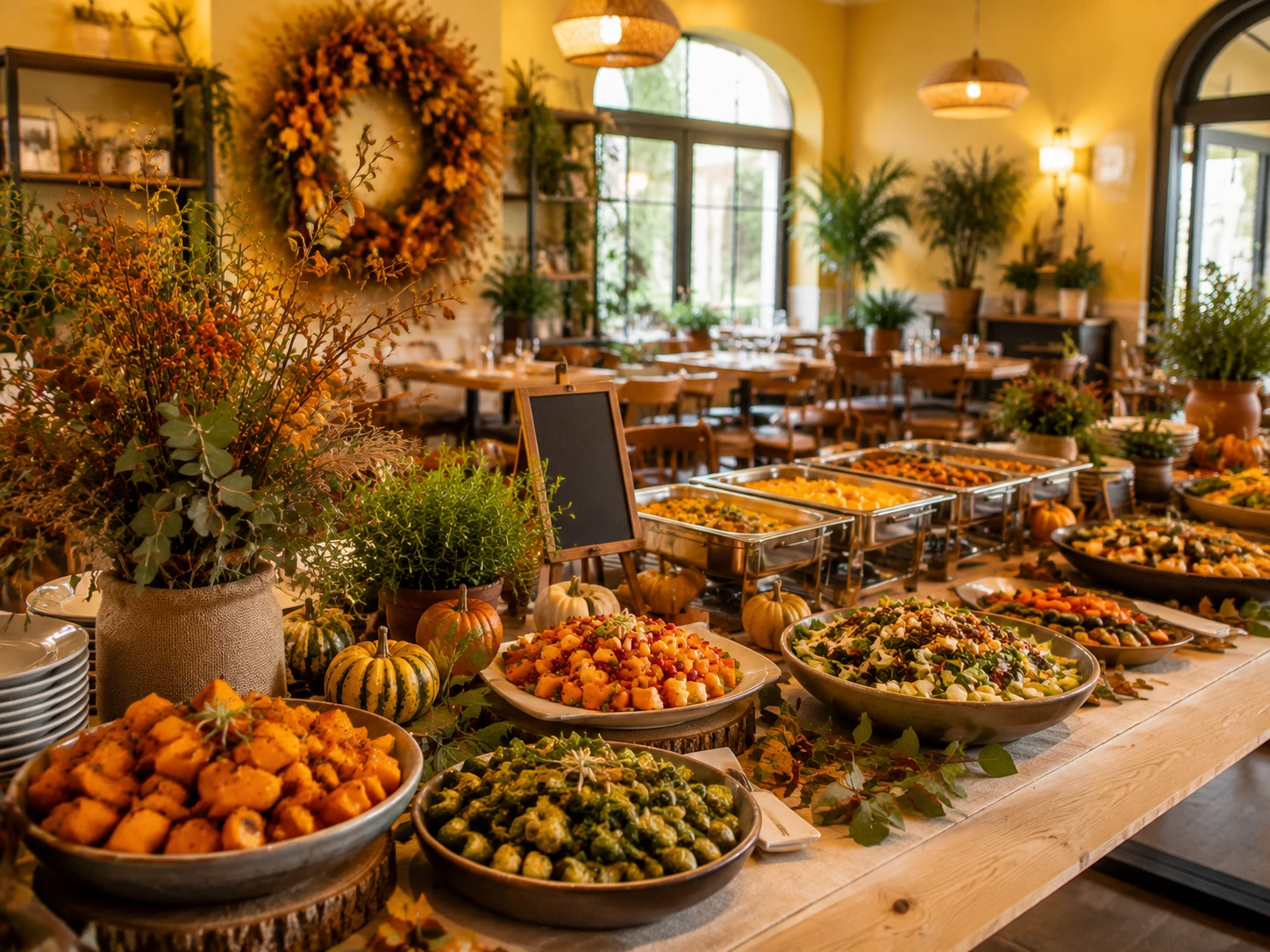
Seasonal menus vary your website needs by putting pressure on your menu page, content updates, and local SEO at the same time.
Three areas of your website feel it the most: outdated dishes, slow updates, and limited access create the major issues. A menu that shows removed items sends the wrong message. Your team should be able to update prices, dishes, and specials without relying on a developer.
At the same time, changes like holiday menus or sold-out items need to go live quickly. This quick update keeps your site accurate and builds trust that brings diners back.
In the long run, an easy-to-update menu page keeps your website honest and your clients confident in what they’ll find when they arrive. Your staff can make changes the moment service demands it. And a site that stays current builds the kind of trust with guests that keeps reviews strong and repeat visits coming.
How Local SEO Ties Into Seasonal Content
Most restaurant owners think of local SEO and seasonal menus as two separate conversations. In reality, they work together. Whenever you update your food website with fresh seasonal content, you send search engines a signal that your business is active. That is enough to lift your visibility with local diners.
Below, we described how seasonal content directly feeds your local search performance:
- Fresh Content Lifts Your Local Search Position: Seasonal menu updates signal to Google that your site is active, which improves your ranking in local search results over time.
- Location-Specific Terms Connect You to Local Diners: Pages built around terms like “Father’s Day lunch in South Brisbane” or “Christmas dinner Fortitude Valley” put your restaurant in front of the exact searches your customers type.
- Regularly Updated Sites Outrank the Competition: Regularly updated sites will outrank a restaurant page left unchanged, no matter how well it was originally set up.
In fact, if you want Google to surface your restaurant in local search results, structured data is worth exploring too. Google Search Central’s guide to structured data explains how search engines read your business details, including your menu and opening hours. It also shows how this information appears in search results.
What Should Every Restaurant Website Get Right?
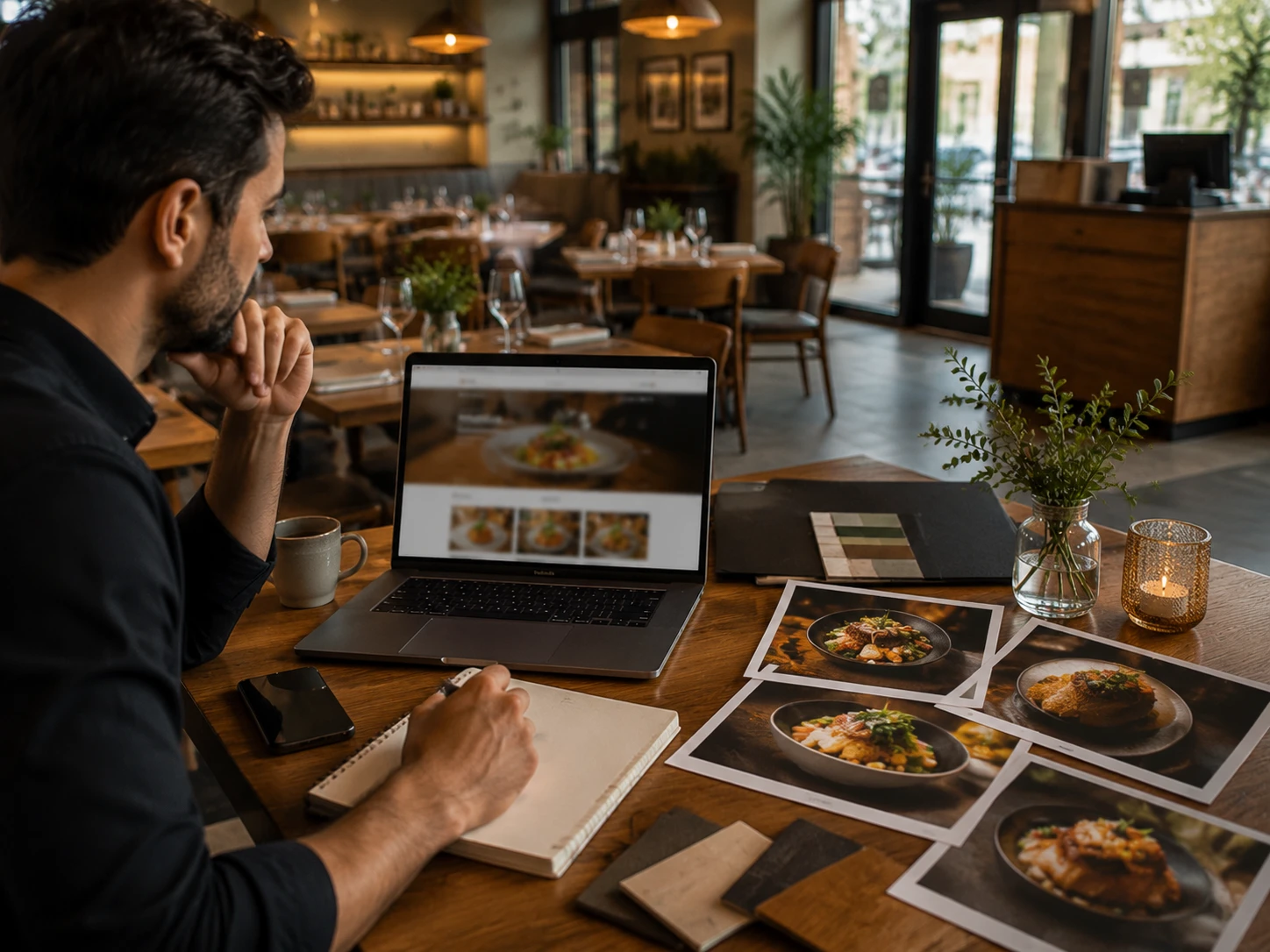
Every restaurant website needs four things: visible contact details, on-site booking, quality food photography, and consistent branding across every page. Miss any one of them and your site will lose diners.
Four things decide if your restaurant website brings clients in or sends them elsewhere:
- Clear Contact and Location Details: Your address, phone number, and trading hours need to sit where visitors spot them without searching. A diner who can’t find your location in seconds will choose somewhere else.
- On-Site Booking or Order Function: Most diners look for reservations on their preferred platforms. A direct order function on your site keeps the whole process in one place, including the landing page and a confirmed table.
- Quality Food Photography: Before a customer reads your menu, they’ve already judged your food by your photography. Professional dish images outperform paragraphs of description when it comes to driving reservations.
- Consistent Branding Across Every Page: Fonts, colours, and tone of voice need to stay consistent across every page on your site. When your website doesn’t match your venue, diners start to doubt your business.
One Brisbane cafe we worked with saw a jump in enquiries within weeks of updating their food photography. When your site reflects the dining experience you deliver, customers will arrive sold.
Your Website Should Work as Hard as Your Kitchen Does
Good restaurant website design needs to take reservations, load without delay, and show up when local diners search for you. When all of those pieces connect, your website stops being a digital brochure and starts driving real revenue.
At Spoon Fed Atlanta, we’ve built food websites for cafes, restaurants, and food businesses across Australia. We know what separates a site that drives bookings from one that sits idle. Small decisions carry weight here. Your image quality, menu structure, and booking flow all influence how customers experience your brand online.
If your current site isn’t delivering the bookings your business deserves, let’s fix that. Get in touch with our team, and we’ll show you what your site should be doing for your business.